Building Your Professional Record Before Anyone Asks for It
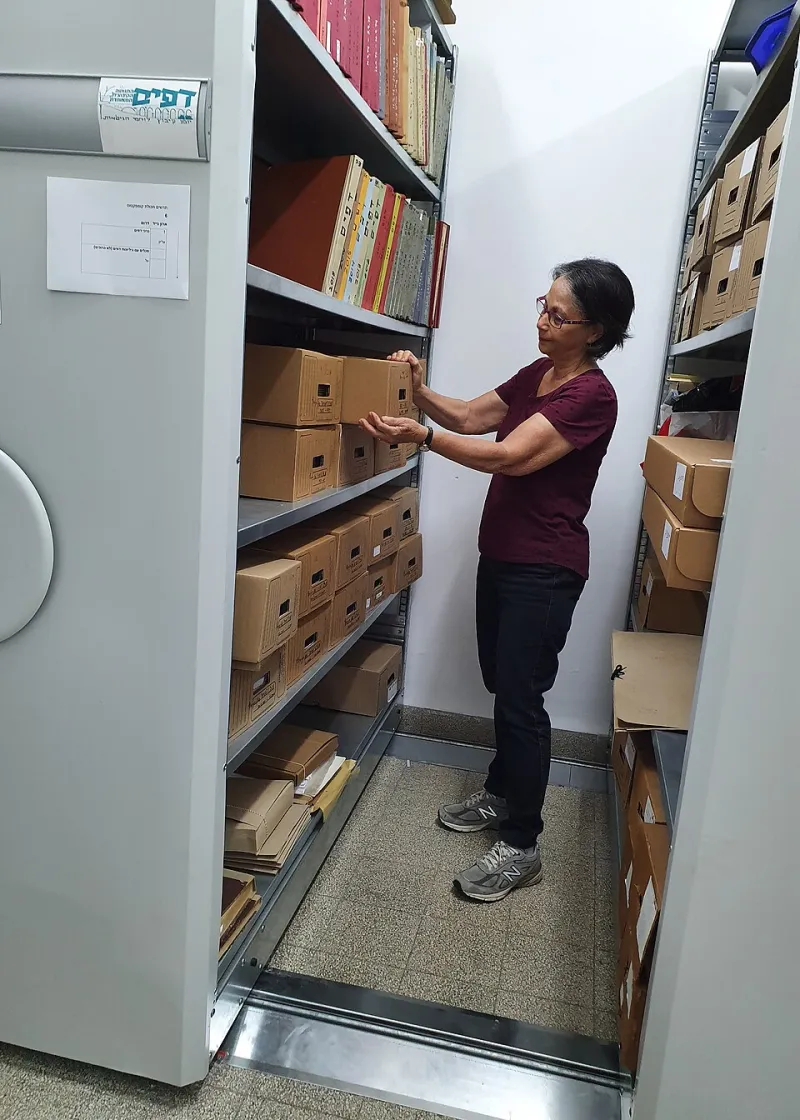
Photo: Shoshie8, CC BY-SA 4.0, via Wikimedia Commons
There is a particular kind of professional anxiety that arrives without warning—usually at the worst possible moment. A licensing board requests documentation of continuing education hours. A prospective client asks for a summary of recent professional development. A new employer wants evidence that your skills have kept pace with industry changes. In each of these situations, professionals who treated their certifications as static achievements suddenly find themselves scrambling to reconstruct a history they never thought to preserve.
The credential audit trail—a systematic, ongoing record of professional growth—is not a bureaucratic formality. It is a strategic asset. And the professionals who maintain one before anyone demands it are consistently better positioned than those who attempt to assemble one under pressure.
Why Static Credentials Tell an Incomplete Story
A certificate on a wall or a digital badge in an email signature captures a single moment in time. It confirms that, on a specific date, a professional demonstrated a defined level of competency. What it does not capture is the trajectory that followed: the workshops attended, the peer learning groups joined, the industry publications read, the mentorship relationships formed, or the applied experience that deepened theoretical knowledge into genuine expertise.
Employers and credentialing bodies have grown increasingly sophisticated in how they interpret professional records. A certification earned five years ago carries different weight depending on what the professional did in the intervening period. An auditable record of continuous development transforms a static credential into evidence of sustained commitment—a distinction that matters considerably in competitive hiring environments and formal credentialing reviews.
The Four Pillars of a Comprehensive Documentation System
Building an effective credential audit trail requires attention to four distinct categories of professional activity, each of which contributes to a complete picture of growth.
Formal Continuing Education
This category includes any structured learning that carries official recognition: continuing education units (CEUs), professional development hours (PDHs), workshops offered by accredited providers, and coursework completed through recognized institutions. The documentation standard here is straightforward—retain certificates of completion, registration confirmations, and any official transcripts. Store these in a dedicated digital folder organized by year, and maintain a running log that records the provider, topic, hours completed, and date.
Informal and Self-Directed Learning
This is where most professionals leave significant documentation gaps. Conference sessions attended without formal credit, webinars watched independently, professional reading habits, and self-guided study all contribute to professional development but rarely generate automatic records. The solution is deliberate self-documentation: a simple log noting the title, source, date, and a brief reflection on relevance to your practice. This habit, maintained consistently, creates a compelling record of intellectual engagement that formal credentials alone cannot convey.
Applied Professional Milestones
Skill development does not occur only in classrooms or webinars. It occurs through practice—through complex projects completed, novel problems solved, and professional responsibilities expanded. Documenting these milestones requires a slightly different approach: brief narrative entries that describe the challenge, the competencies applied or developed, and the outcome. This is not a performance review; it is a factual record of professional experience that contextualizes your credentials within real-world application.
Community and Peer Engagement
Participation in professional associations, council committees, peer review processes, and mentorship programs represents a category of development that is frequently undervalued in self-documentation. Serving on a standards committee, presenting at an industry forum, or contributing to a working group all demonstrate professional engagement that extends beyond individual achievement. Record these activities with the same rigor applied to formal education: dates, roles, organizations, and a brief description of contributions.
Practical Systems for Professionals Who Are Not Naturally Organized
The most common obstacle to maintaining a credential audit trail is not a lack of professional activity—it is the absence of a reliable system for capturing that activity as it occurs. Reconstruction is always harder than documentation in the moment, and the details that make records credible tend to fade quickly.
Several practical approaches have proven effective across different professional contexts.
A monthly documentation habit works well for professionals whose schedules are unpredictable. Setting aside thirty minutes at the end of each month to review and record professional activities prevents the accumulation of undocumented time that makes annual reconstruction so difficult. A simple spreadsheet, a dedicated notes application, or even a physical journal can serve this purpose effectively.
For professionals who prefer a more immediate approach, a capture-and-categorize method involves logging activities within forty-eight hours of completion. A brief note in a designated location—recording what occurred, when, and why it matters professionally—takes less than five minutes and produces a record that is far more accurate than memory allows months later.
Professionals who are members of a credentialing body or professional council should also familiarize themselves with any official record-keeping tools or member portals available to them. Many organizations provide mechanisms for logging professional development activities that can serve as a verified component of a broader personal documentation system.
Making the Record Work for You
A well-maintained credential audit trail is only valuable if it is organized for retrieval and presentation. Raw logs of professional activity, however thorough, require periodic synthesis to become useful in practice.
An annual review process—ideally tied to a consistent date such as a professional anniversary, a license renewal cycle, or the new year—provides an opportunity to assess the record as a whole. What patterns of development emerge? Where are the gaps relative to your professional goals or the evolving standards of your field? What achievements from the past year are not yet reflected in formal credentials but demonstrate meaningful growth?
This synthesis exercise also produces a more polished narrative document—a professional development summary that can be shared selectively with employers, clients, or credentialing boards. Unlike a résumé, which presents a curated snapshot, a development summary communicates trajectory: where you have been, how your competencies have evolved, and where your professional investment is currently directed.
The Standard You Set for Yourself
Professional credentialing bodies establish external standards—examinations, continuing education requirements, renewal cycles—because the field requires a baseline of verified competency. But the most rigorous standard a professional can meet is the one they set for themselves: a commitment to honest, comprehensive, and ongoing documentation of their own development.
The credential audit trail is, in this sense, an expression of professional integrity. It reflects the understanding that growth is not self-evident, that competency must be demonstrated rather than assumed, and that the record you build over a career is ultimately more meaningful than any single certificate it contains.
The professionals who build that record consistently—not in response to an external demand, but as a matter of professional practice—are the ones who find themselves prepared when the moment of scrutiny arrives. More importantly, they are the ones who can speak with clarity and confidence about who they are as professionals and where they are headed.